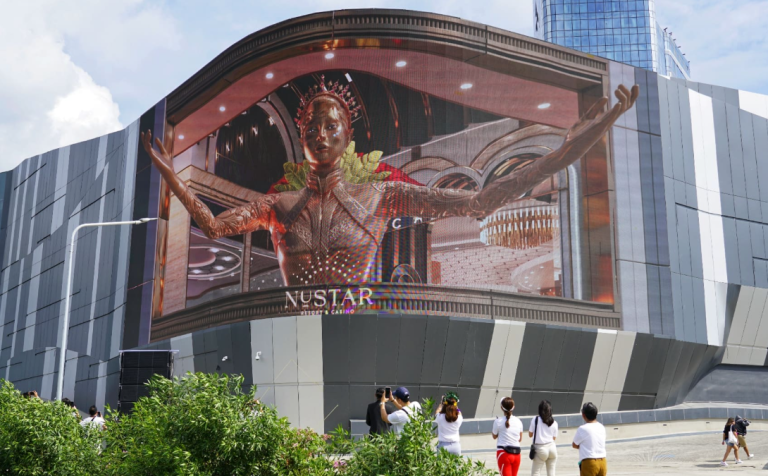
다이캐스트 알루미늄 LED 캐비닛 비용은 실제로 무엇을 의미합니까?
다이캐스트 알루미늄 LED 캐비닛의 가격은 ADC12 알루미늄 합금 원자재, 금형 상각, 고정밀 CNC 가공 및 표면 마감을 포함한 종합적인 모델입니다. 기존 철제 캐비닛과 비교했을 때, 가격 프리미엄은 알루미늄 자체의 품질 때문이 아니라, 패널 정렬 정밀도를 ±0.05mm까지 높이고 무게를 30% 이상 줄임으로써 설치 복잡성과 물류 비용을 직접적으로 절감하는 데 있습니다.
전문 구매자에게 있어 다이캐스팅 알루미늄은 단순한 소재 선택이 아닙니다. 총 소유 비용(TCO)을 최적화하는 핵심적인 요소입니다.
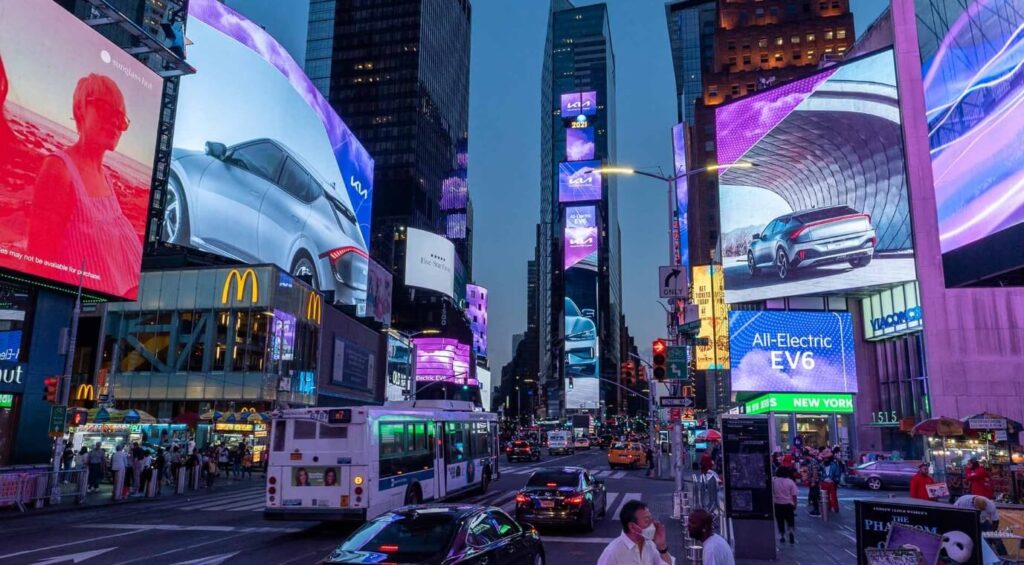
‘비용 블랙박스’ 열기: 진정한 비용 상승 요인 4가지
LED 업계에서 20년간 일하면서 캐비닛 비용을 10% 절감하려다가 나중에 유지 보수 및 현장 수리에 50%를 더 지출하는 프로젝트를 수없이 많이 봤습니다. 다이캐스트 알루미늄 캐비닛의 실제 비용을 이해하려면 네 가지 핵심 요소를 살펴봐야 합니다.
ADC12 신규 알루미늄 vs. 재활용 알루미늄: 소재 전쟁
시중에 판매되는 저가형 캐비닛의 약 80%는 재활용 알루미늄을 사용합니다. 순수 ADC12 합금은 뛰어난 인성과 치수 안정성을 제공하는 반면, 재활용 알루미늄은 불순물이 과다하게 함유되어 있어 주조 후 미세 균열 및 응력 변형이 발생할 수 있습니다.
비용 영향: 순수 알루미늄은 톤당 15~20% 더 비싸지만, 장기간 옥외 노출이나 잦은 조립 및 분해 환경에서 약 40% 더 높은 피로 저항성을 제공합니다.
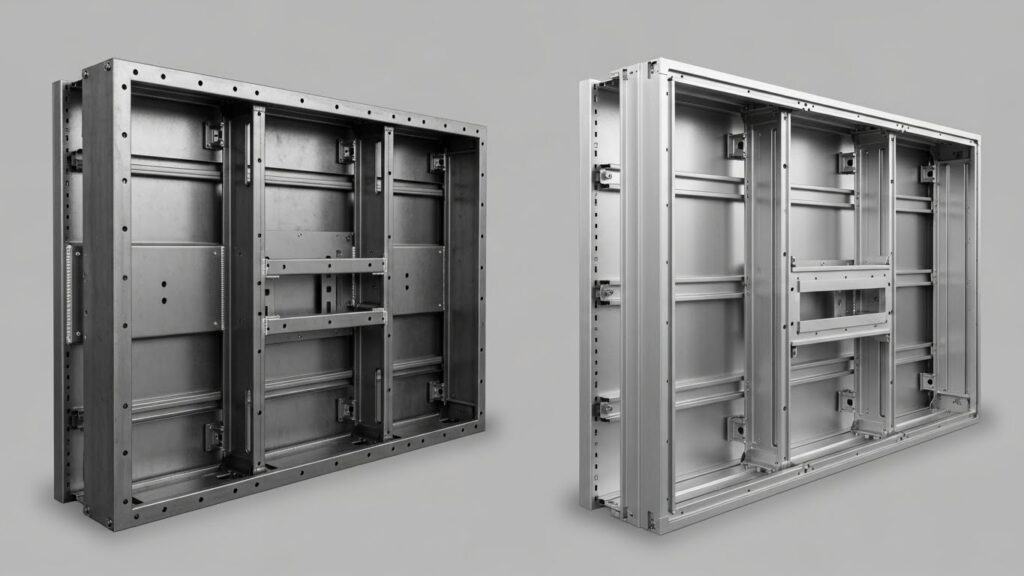
Right: die-cast aluminum LED display cabinet
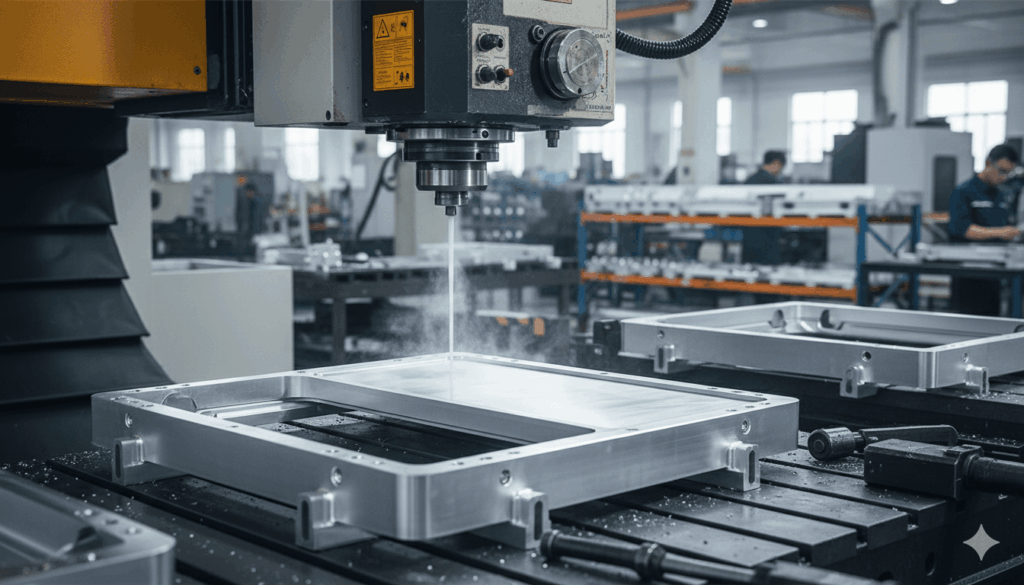
CNC Precision Machining: The Price of 0.05 mm
A rough die-cast shell cannot be used as-is. Seamless panel alignment requires secondary CNC machining.
Industry trap: Many low-cost suppliers only machine the four corners.
Sostron standard: Full-surface CNC machining.
The math: Every 0.02 mm improvement in precision roughly doubles CNC dwell time, and that time shows up directly in the BOM cost.
Surface Treatment: It’s Not Just About Rust Prevention
-
Powder Coating: Most common, lowest cost
-
Anodizing: Excellent corrosion resistance, often used in high-end rental screens, about 15% higher cost
-
Electrophoresis: Ultra-thin, uniform coating that does not compromise CNC precision
Mold Amortization: Public Mold vs. Private Mold
-
Public molds: No upfront mold fee, but suffer from homogenized designs, redundant structures, and no IP protection
-
Private molds: Higher initial investment, but allow structural optimization—reducing weight (e.g., from 15 kg to 12 kg per cabinet) and generating long-term savings in ocean freight and installation labor
Deep Comparison: The Economics of Cabinet Materials
Table 1: Performance and Cost Weighting of Mainstream LED Cabinet Materials
| Parameter | Cold-Rolled Steel Cabinet | Sostron Die-Cast Aluminum (Storm Pro) | Carbon Fiber Series (Carbon Pro) |
|---|---|---|---|
| Material Density | ~7.8 g/cm³ | ~2.7 g/cm³ | ~1.6 g/cm³ |
| Alignment Precision | ±0.5 mm (Poor) | ±0.05 mm (Excellent) | ±0.1 mm (Good) |
| Heat Dissipation | Poor (requires many fans) | Passive cooling (Excellent) | Average |
| Initial Purchase Cost | $ (Baseline) | 1.5×–2× | 5×+ |
| Installation Labor Cost | High (requires lifting equipment) | Low (single-person handling) | Very low |
| Recommended Use | Ultra-low-budget signage | Plazas, stadiums, rental | Top-tier concerts, virtual production |
Flagship Recommendation: Storm Pro (High-End Outdoor Die-Cast Aluminum)
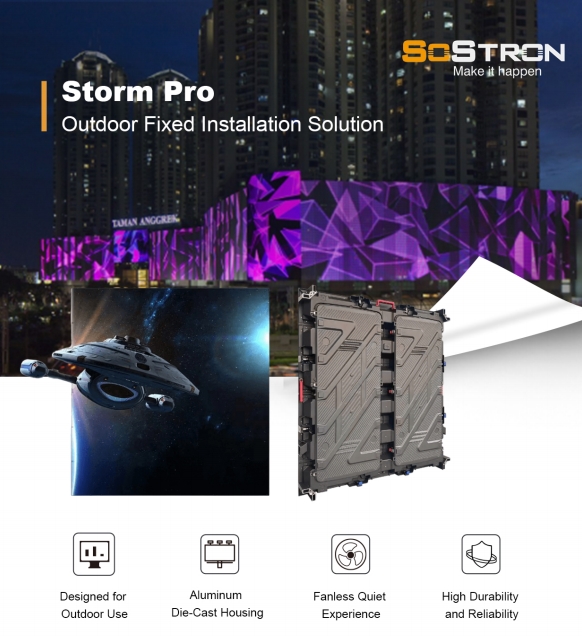
As Sostron’s core product, the Storm Pro series clearly demonstrates the commercial value of die-cast aluminum.
-
Key advantage: 960 × 960 mm standard cabinet, weighing only 40% of an equivalent steel cabinet
-
Technical specs: IP65 front and rear protection, fanless passive cooling
-
Cost value: By eliminating fans and complex cooling systems, annual maintenance costs are reduced by 18% compared with competing products
Hidden Supply Chain Costs: An Insider’s Survival Guide
As a supply chain director, I’ve seen plenty of problems that never appear on a quotation sheet.
Aluminum Purity Games
Many factories claim to use ADC12, but in reality mix in over 30% scrap aluminum. After about a year in service, internal stress release can deform the cabinet, compressing modules and causing dead pixels.
How to avoid it: Require a third-party spectrometer analysis report.
The Residual Value Trap
At end of life, die-cast aluminum cabinets retain 10–15% of their original cost in recycling value. Steel cabinets are effectively worth nothing. Over a 10-year lifecycle, this residual value should be booked as an asset offsetting the initial investment.
Fast Locks and Precision Loss
Rental cabinets rely heavily on quick-lock systems. Poor-quality locks wear down定位 holes with each use, turning “seamless splicing” into visible gaps within six months.
Sostron standard: Reinforced steel positioning pins ensure less than 0.01 mm precision loss after 500 assembly cycles.
Real-World Case: Cost Balancing at a Chilean Music Festival
At a large outdoor music festival in Chile, the organizer hesitated between low-cost steel cabinets and premium die-cast aluminum.
Project requirements:
-
500 m² outdoor LED screen
-
Full installation within 48 hours
Decision logic:
-
Steel cabinets: 30 skilled workers + two heavy cranes
-
Sostron die-cast aluminum: 12 workers, no cranes required
Final outcome:
Despite a 40% higher unit price, total installation and logistics costs were reduced by approximately USD 45,000. More importantly, the die-cast aluminum system’s 7680 Hz refresh rate and superior flatness delivered flawless visuals for the global live broadcast.
FAQ: High-Frequency Questions About Die-Cast Aluminum Costs
Q1: Do die-cast aluminum cabinets really save energy?
A: Indirectly, yes. Aluminum’s thermal conductivity (~96 W/m·K) is far higher than steel’s, allowing heat to dissipate naturally through the cabinet. This reduces reliance on air conditioning or high-power fans. In Sostron tests, operating energy consumption dropped 8–12% at the same brightness level.
Q2: Is there a compromise option if my budget is tight?
A: Consider aluminum profile cabinets instead of die-cast aluminum. They’re cheaper, but lack the high-precision molds of die casting, resulting in slightly lower flatness. Suitable for standard advertising where ultra-tight alignment isn’t critical.
Q3: Some die-cast aluminum cabinets are extremely light—is that a good thing?
A: Not always. Excessive lightness often means insufficient wall thickness. Below 3 mm, cabinets can twist under strong wind loads on high-rise buildings, potentially snapping module ribbon cables.
The Sostron Answer: Why We Guarantee 10-Year Stability
At Sostron’s 15,000 m² smart manufacturing base, every die-cast aluminum cabinet goes through punishing tests:
-
Secondary CNC calibration: Corner flatness controlled to half the width of a human hair
-
4,000 m² R&D center: Finite Element Analysis (FEA) optimizes rib structures to prevent deformation under extreme temperature swings
-
14 years of export manufacturing experience: Our cabinets pass rigorous vibration tests to ensure they arrive overseas ready to power on—no surprises
Conclusion: Don’t Pay for Aluminum—Pay for Precision
LED 디스플레이 업계에서는 저렴한 것이 오히려 가장 큰 비용으로 이어지는 경우가 많습니다. 다이캐스트 알루미늄 캐비닛의 진정한 비용은 단순히 금속 가격만이 아니라, 정밀도, 열 성능, 내구성, 그리고 설치 효율성에 대한 프리미엄까지 포함합니다.
LED 구매 비용 모델을 최적화하고 싶으신가요?
[ 여기에서 2025년 최신 다이캐스트 알루미늄 캐비닛 가격표를 확인하세요 ]
부인 성명:
본 문서에 언급된 시장 참고 가격은 작성 시점의 공급망 비용 및 환율을 기준으로 산출한 추정치이며, 예산 책정 목적으로만 제공됩니다. 실제 거래 가격은 원자재 가격 변동(LED 칩, 귀금속, 알루미늄 등), 환율 변동, 물류 비용, 그리고 고객의 특정 맞춤 요구 사항(비표준 설계 또는 특수 장착 구조 포함)에 따라 달라질 수 있습니다.
제품 이미지 및 사례는 예시 목적으로만 제공됩니다. 소스트론은 지속적인 제품 개발의 일환으로 제품 외관 및 기술 사양을 업그레이드하거나 수정할 권리를 보유합니다. 최종 납품 기준은 양 당사자가 상호 합의한 기술 사양 및 계약 조건에 따릅니다.
참고 자료: